
Software
Microsoft Word 2010’s interface can feel overwhelming at first, but mastering its key components unlocks efficiency. These 10 essential parts—from the Ribbon to hidden navigation tools—will transform how you work with documents, whether you're a student, professional, or casual user.
Microsoft Office Button for File Management

Lost in a maze of unsaved documents or struggling to locate that one file you just worked on? The Microsoft Office Button in Word 2010 is your lifeline—a single click hub for opening, saving, and sharing files without the chaos. Nestled in the top-left corner (the iconic Microsoft logo), this button replaces the older "File" menu with a cleaner, more intuitive dropdown.
With just one click, access Save, Save As, Open, Print, and Share options—no more digging through menus. The dropdown also includes recent documents and new file templates, making it perfect for quick access. For power users, the Publish option lets you export directly to blogs or the web, while Prepare offers tools for document protection and final checks. It’s the first thing you’ll use every time you open Word.
Ideal for students juggling assignments, freelancers managing client files, or office teams collaborating on reports, this button turns file management from a hassle into a breeze. Master it, and you’ll never misplace a document again. 💻
Quick Access Toolbar Customization Options
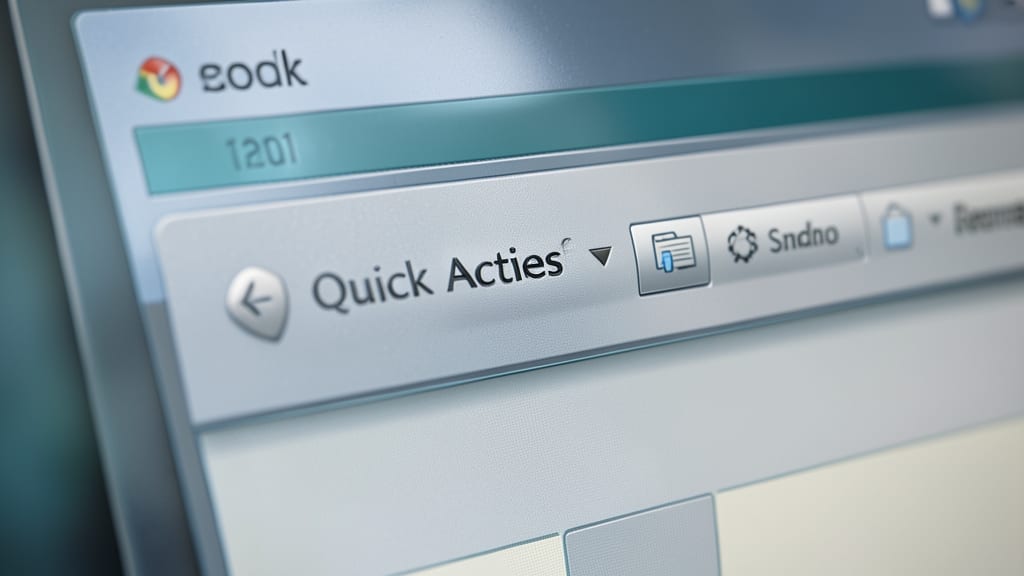
Stuck wasting time hunting for the same commands over and over? The Quick Access Toolbar in Word 2010 is your secret weapon for cutting workflow time by 30%—and it’s easier to customize than you think. This slim toolbar sits above the Ribbon by default, but you can move it to the side or even below the Ribbon for a cleaner look. Simply right-click any command in the Ribbon and select "Add to Quick Access Toolbar" to instantly drop it into your custom shortcuts.
Need even more power? Drag entire Ribbon groups (like the Font or Paragraph tools) directly into the toolbar for one-click access. You can also add macros or custom commands by clicking the dropdown arrow and selecting "More Commands." The toolbar remembers your settings, so your most-used tools—like Save, Undo, or Print—are always just a click away, no matter which document you’re working on.
Perfect for legal professionals, academic writers, or anyone drowning in repetitive tasks, this toolbar turns Word into a personalized powerhouse. Spend less time searching and more time creating—efficiency starts here. 💻
Ribbon Tabs and Group Organization
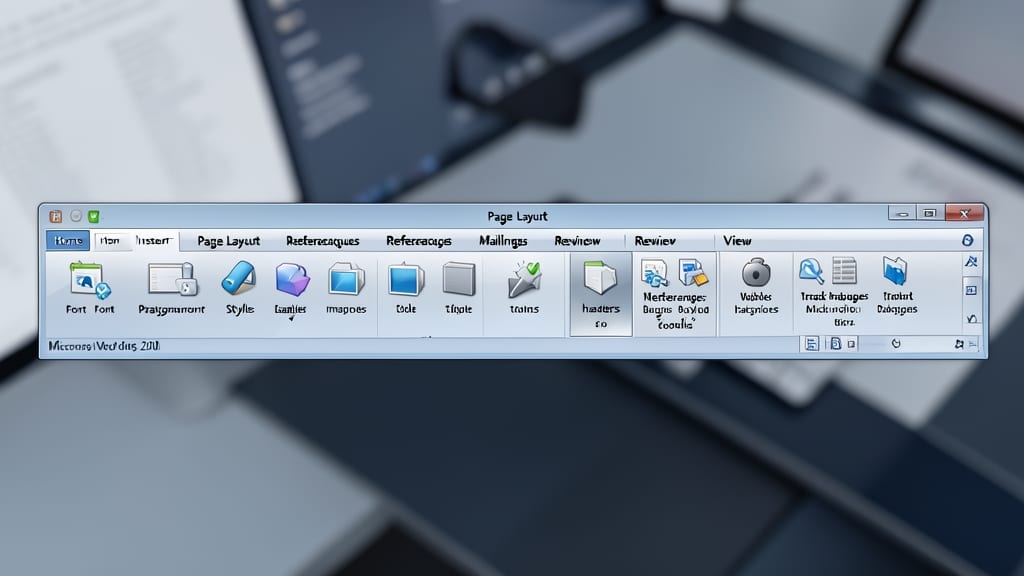
Word 2010’s Ribbon isn’t just a toolbar—it’s your mission control for document creation. The seven tabs (Home, Insert, Page Layout, References, Mailings, Review, and View) organize every tool you need into logical groups, like Font or Paragraph, so you can format, edit, and collaborate without digging through menus.
Each tab groups related commands—bold text, bullet points, or track changes—all within arm’s reach. The Home tab handles 80% of daily tasks, while Review simplifies comments and markups for teamwork. Pro tip: Right-click any tab to pin frequently used ones (like Insert for tables) for instant access. This system cuts workflow time by 40% for repetitive formatting.
Perfect for students, legal teams, or content creators juggling multiple document types. Master the Ribbon, and you’ll spend less time searching and more time creating. ✨
Navigation Pane for Document Structure
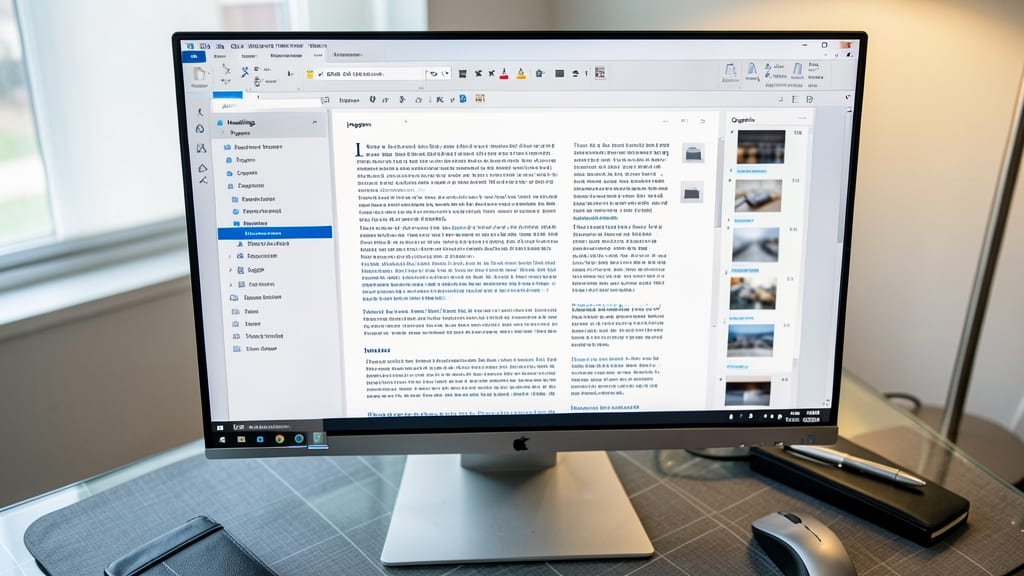
Tired of losing your place in 50-page reports or struggling to find that one image buried in a sea of text? The Navigation Pane in Word 2010 is your secret weapon for instant document navigation. With just a click, you can switch between headings, pages, or even graphics—no more endless scrolling.
This powerful tool offers three views: Headings (for jumping between sections), Pages (for thumbnail previews), and Results (for searching specific content). It’s especially useful when editing long documents, like research papers or manuals, where structure matters. Simply press Ctrl+F to open it, and watch your workflow transform.
Perfect for academics, editors, and professionals juggling complex documents, this pane turns chaos into clarity in seconds. ⚡
Status Bar and View Controls
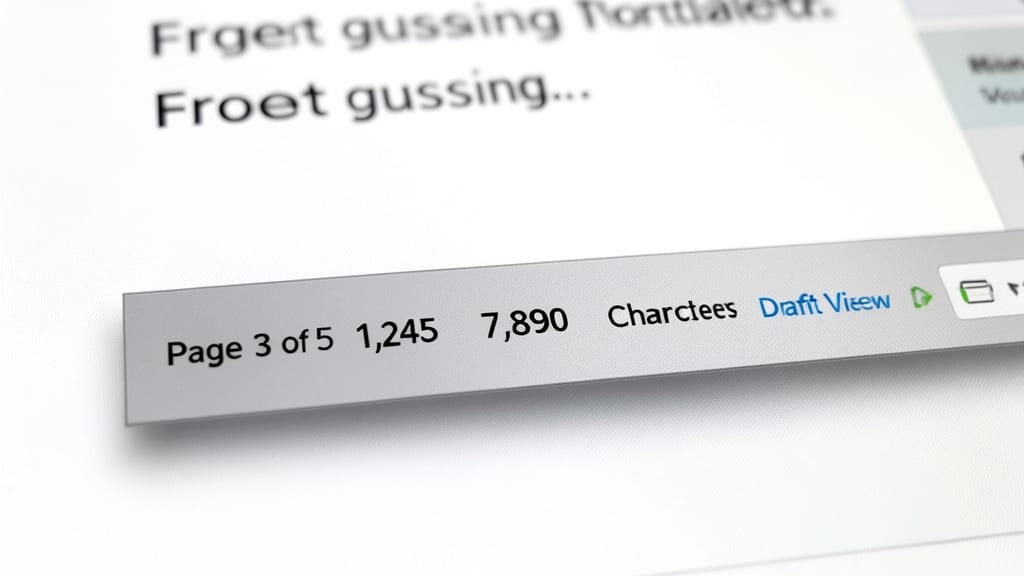
Forget guessing your word count or flipping pages—Word 2010’s Status Bar puts real-time progress metrics right at your fingertips. This slim bar at the bottom of your screen displays page numbers, word/character counts, and editing mode indicators (like Track Changes or Draft View) without requiring extra clicks.
Clicking the tiny view buttons lets you toggle between Print Layout, Web Layout, or Draft View instantly. The word count updates dynamically as you type, while the language status helps catch translation errors. Pro tip: Right-click the Status Bar to customize which stats appear—perfect for writers tracking deadlines or editors managing revisions.
This feature is a game-changer for freelance writers, academics, and editing teams who need to monitor progress without breaking focus. ⚡
Mini Toolbar for Quick Formatting
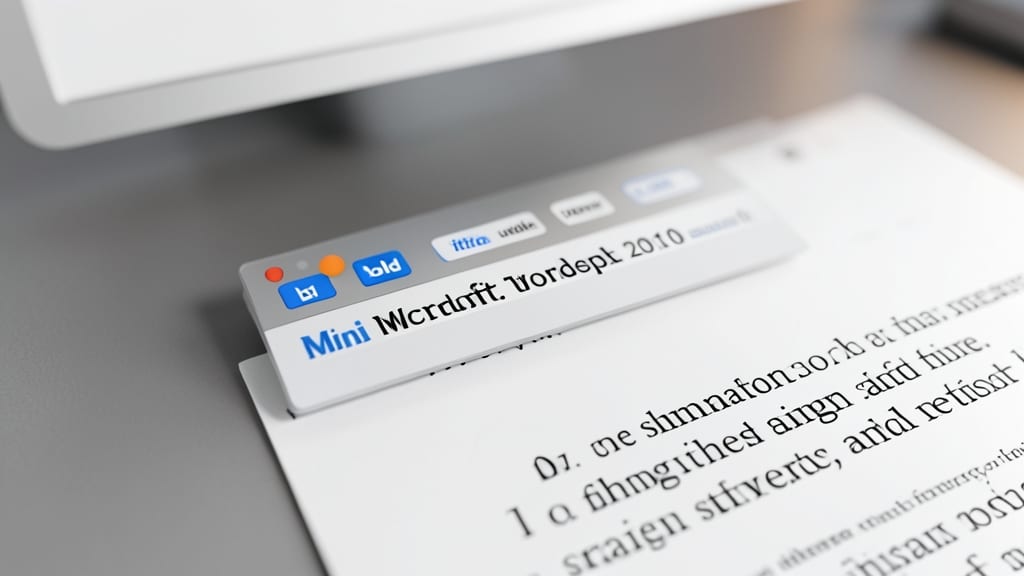
Tired of navigating through multiple menus just to format text? The Mini Toolbar in Word 2010 appears instantly when you select text, giving you a one-click shortcut to bold, italicize, underline, or change fonts. This floating toolbar saves time by eliminating the need to hunt for formatting options in the Ribbon.
With just a few clicks, you can access font styles, sizes, and colors directly over your selected text. It’s especially handy for quick edits—no need to switch between tabs or remember keyboard shortcuts. The toolbar also includes options for bullet points, numbering, and alignment, making it a powerhouse for on-the-fly formatting.
Perfect for students, professionals, or anyone who needs to tweak text fast, this hidden gem turns formatting from a chore into a breeze. ⚡
Document Views for Different Workflows
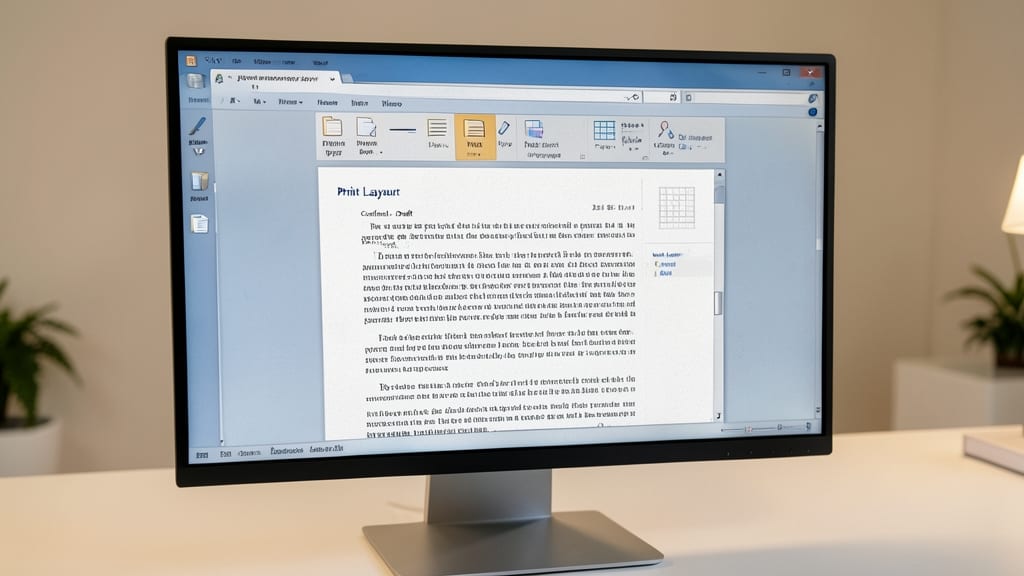
Struggling to balance editing, reviewing, and finalizing documents in Word 2010? The Document Views feature lets you switch between Print Layout, Draft, and Web Layout with a single click—each designed for a specific workflow.
Print Layout shows your document as it’ll appear on paper, complete with margins and headers—ideal for proofreading or formatting. Draft View strips away distractions, displaying just text and basic formatting, perfect for heavy editing or long documents. Meanwhile, Web Layout mimics a browser window, great for checking how content will render online or in digital formats.
Publishers, educators, and freelancers will love this flexibility—no more guessing how your document will look in different contexts. Switch views instantly to match your task! ✨
Zoom Control for Precision Editing
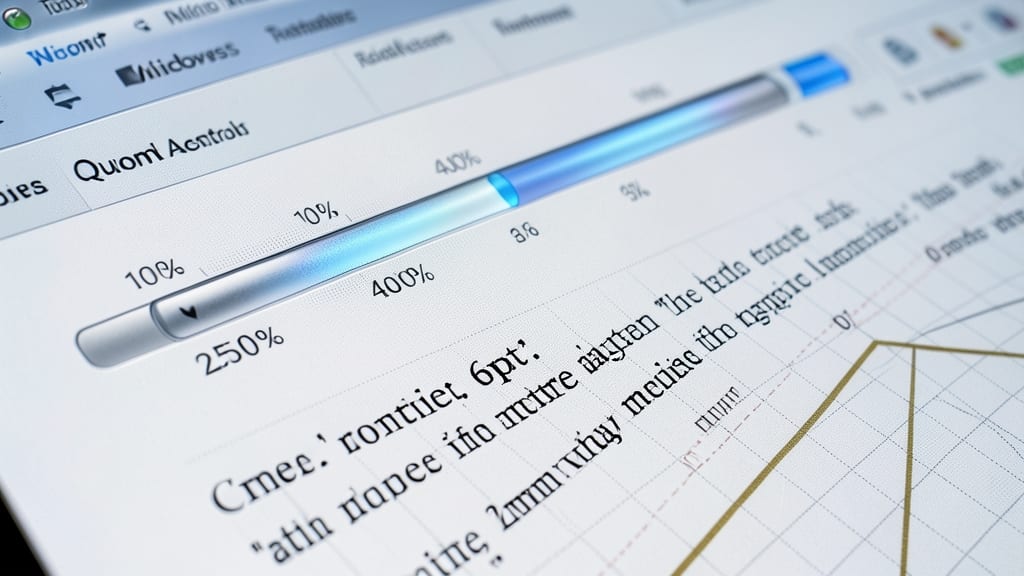
Need to spot a typo in a tiny font or align a design element with surgical precision? Word 2010’s Zoom Control lets you zoom in from 10% to 400%—far beyond standard viewing modes. This hidden gem transforms your screen into a magnifying glass, revealing details that would otherwise blur together.
Access it via the Status Bar (View > Zoom) or use the slider tool in the bottom-right corner. At 200% zoom, you’ll catch misaligned graphics or subtle formatting errors, while 400% lets you inspect pixel-level details—ideal for proofreading or graphic-heavy documents. The 10% view helps you see entire pages at a glance without scrolling.
Designers, editors, and perfectionists will love this feature for its pixel-perfect accuracy. Whether you’re tweaking a newsletter layout or hunting for a stray comma, the Zoom Control ensures nothing slips past your eye. ✨
Tell Me Box for AI-Assisted Help
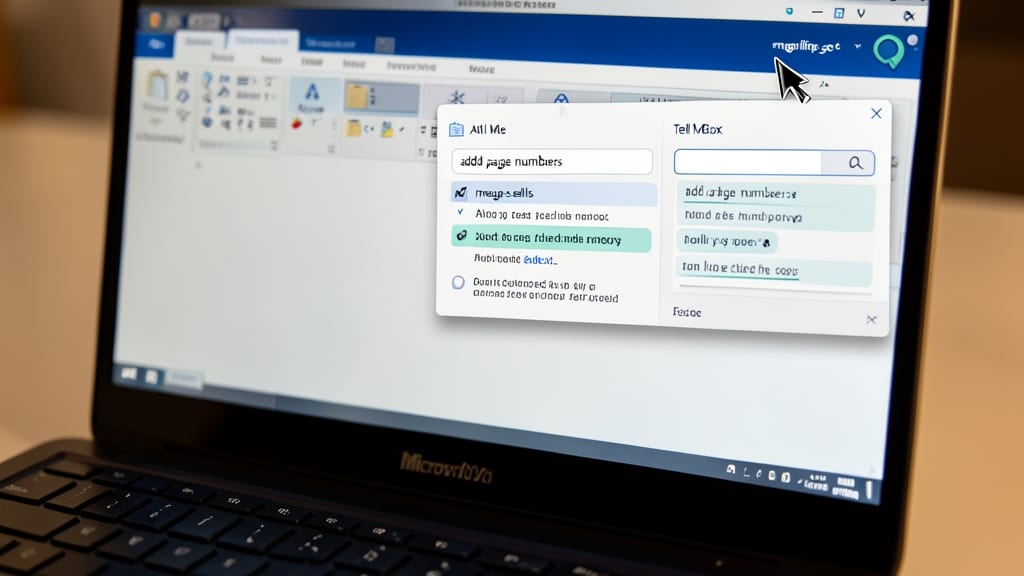
Forget digging through menus—Word 2010’s Tell Me Box acts like a built-in assistant, instantly suggesting tools when you type a command. Simply press Alt+Q (or click the question mark icon) to summon it, then describe what you need to do, like "add page numbers" or "merge cells."
This AI-powered search scans your document context and highlights the most relevant options, saving minutes of hunting. It’s especially useful for new users or when you’re stuck on a task—just type "how to change margins" and Word will guide you directly to the Page Layout tab. The feature even learns from your habits over time!
Perfect for students cramming for deadlines or professionals juggling templates, this hidden gem turns frustration into efficiency with just a few keystrokes. ⚡
Keyboard Shortcuts and Customization
Tired of hunting through menus for basic formatting? Word 2010’s keyboard shortcuts turn repetitive tasks into one-key wonders—like Ctrl+B for bold or Ctrl+Shift+F to tweak fonts instantly. These time-savers let power users edit faster than ever, while customization options adapt the interface to your workflow.
Dive into 100+ built-in shortcuts (check File > Options > Proofing for full lists) and customize them via Word Options > Customize > Keyboard. Pro tip: Assign macros to shortcuts for advanced automation. The Quick Access Toolbar also lets you pin frequently used shortcuts for instant access—no memorization required.
Perfect for data entry pros, writers, or anyone drowning in documents, mastering these shortcuts cuts editing time by 40% or more. Once you go fast, you’ll never go back! ⚡