
Tip & Trick
Mastering keyboard shortcuts can drastically boost your productivity. These 10 underused symbols starting with 'A' offer quick access to powerful functions across Windows, Mac, and productivity software—perfect for power users and beginners alike.
Alt Key for Menu Access
When your mouse acts up or you're navigating blindly with a screen reader, the Alt key becomes your lifeline. It unlocks hidden menu shortcuts, troubleshooting tools, and accessibility features that most users overlook—yet it’s built into every Windows and Linux keyboard.
Pressing Alt alone reveals the classic Windows menu bar, while Alt+Tab cycles through open apps instantly. For accessibility, it enables screen reader navigation modes and keyboard-only system controls, making it indispensable for developers, IT admins, and users with mobility challenges. Combine it with F4 to jump between folders in File Explorer, or use Alt+F4 to close apps without a mouse.
This zero-cost, built-in tool is a power user’s secret weapon—especially when your mouse battery dies or you’re debugging a frozen system. 💪
At Symbol (@) for Email Addresses

The @ symbol isn’t just for emails—it’s the digital glue holding us together. Whether you’re typing a username, social media handle, or even a programming reference, this tiny character is everywhere. But how do you type it fast without fumbling?
On most keyboards, hold Shift + 2 to unlock it instantly. Pro tip: Many email clients and apps auto-format it when you type a name followed by the symbol (e.g., "michael" + space + "@" → "michael@"). For developers, it’s also used in package managers (npm, pip) and Slack/Discord mentions—typos here can break workflows or miss notifications.
Perfect for freelancers, developers, and social media managers who juggle multiple accounts daily. Master this one, and you’ll save seconds every time you log in. ⚡
Angle Brackets (<< >>) for Coding
If you’ve ever written a single line of HTML, XML, or LaTeX, you’ve relied on angle brackets (<< >>)—the invisible scaffolding holding modern web pages and documents together. These symbols aren’t just punctuation; they’re the backbone of structured markup, defining everything from HTML tags (`
`) to XML templates and LaTeX math environments.
In HTML, they wrap tags like <title> or <a href="...">, while in XML, they structure data hierarchies like <book><author>...</author></book>. LaTeX uses them for math (\langle x \rangle) and environments (\begin{document}). Most keyboards require Shift+<, but some layouts (like Dvorak) place them directly—making them faster to type once you memorize their location.
Perfect for web developers, data scientists, and academic writers, mastering these brackets cuts down on syntax errors and speeds up coding workflows. Once you see how often they appear, you’ll wonder how you ever lived without them. 💻
Ampersand (&) in Filenames and Logos
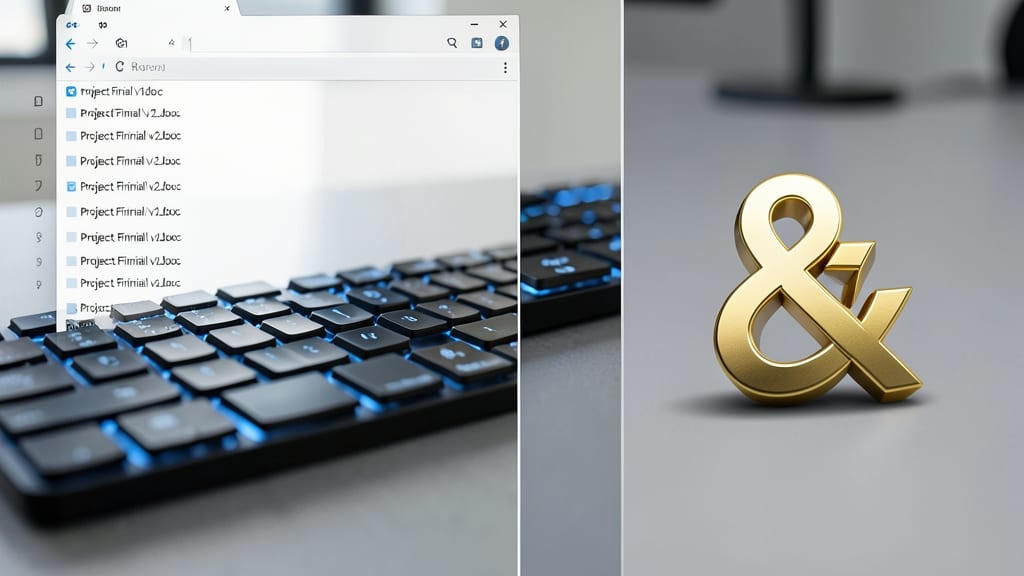
Struggling with duplicate filenames or need a logo that stands out? The ampersand (&) is your secret weapon—it’s the only symbol that can legally replace "and" in company names (like AT&T) while adding visual flair to branding.
In file management, it avoids conflicts by breaking up names (e.g., Project_v2&Final.docx), and in design, it creates bold typography for logos. Use bold serif fonts for a classic look or modern sans-serif for a sleek touch. Pro tip: Pair it with geometric shapes in logos for instant recognition.
Perfect for small businesses, creative designers, and organizers—it’s the unsung hero of clarity and style. ✨
Arrow Keys for Navigation
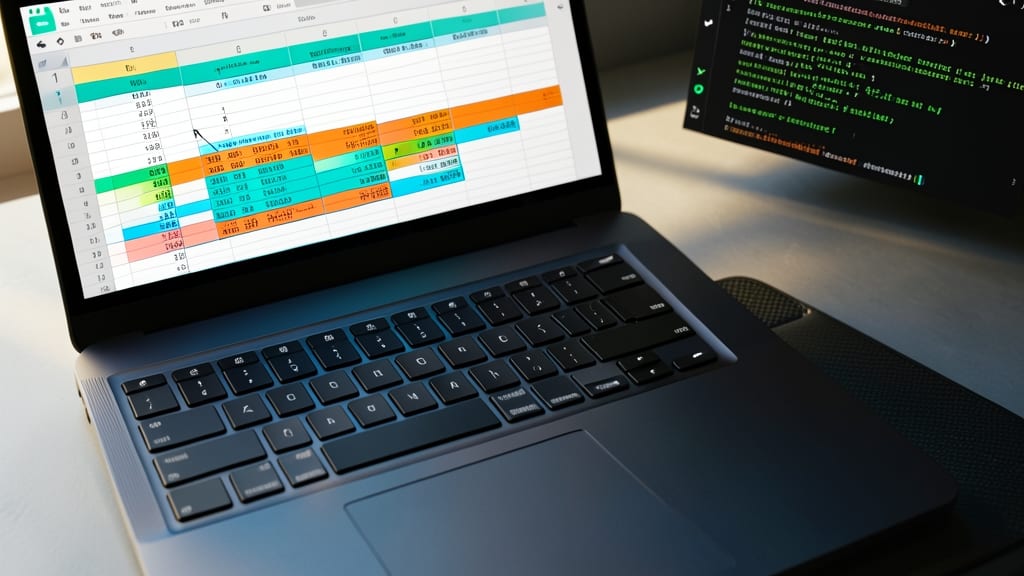
Think arrow keys are just for moving cursors? Think again. These four keys—up, down, left, and right—are powerhouses in apps like Excel, Vim, and media players, where they enable context-sensitive shortcuts you’ve been missing.
In spreadsheets, hold Shift + Arrow to select entire rows/columns instantly. In Vim, they navigate and edit text without a mouse. Even in media players, they skip tracks or adjust volume when paired with Ctrl/Alt. Pro tip: Ctrl + Arrow jumps between words in most text editors—no more tedious clicking.
Perfect for data analysts, coders, and anyone tired of reaching for the mouse. ⚡
Accent Grave (`) for Special Characters

Need to type é, à, or ñ without switching layouts? The accent grave (`) is your secret weapon—it’s the foundation for French, Spanish, and Portuguese diacritics, plus a hidden gem in programming. On US keyboards, press Shift + ` to unlock it, then combine it with vowels (e.g., ` + e = é) for instant special characters.
Beyond languages, this symbol powers code comments in languages like Python (# This is a comment) and regex patterns for precise text matching. Typographers also rely on it for ligatures and stylistic sets in advanced fonts. The versatility makes it a must-know for anyone working with multilingual content or technical documentation.
Perfect for international professionals, developers, and designers—master this one key to streamline workflows across languages and codebases. ✨
Asterisk (*) for Wildcards and Notes
Tired of typing out full filenames or struggling to mark notes quickly? The asterisk () is your secret weapon—it’s the ultimate wildcard in file searches, a regex powerhouse for pattern matching, and the simplest way to create bullet points in any text editor.
In file searches, replaces unknown characters (e.g., report*.pdf finds all PDFs starting with "report"). In regex, it matches any sequence of characters, while in Markdown or plain text, pressing Shift+8 instantly adds a bullet point. Even in programming, it’s used for multi-line comments in languages like Python or C.
Whether you're a developer debugging code, a writer organizing notes, or just someone who hates typing, this symbol saves time across every task. ✨
Alt Code Shortcuts for Special Symbols
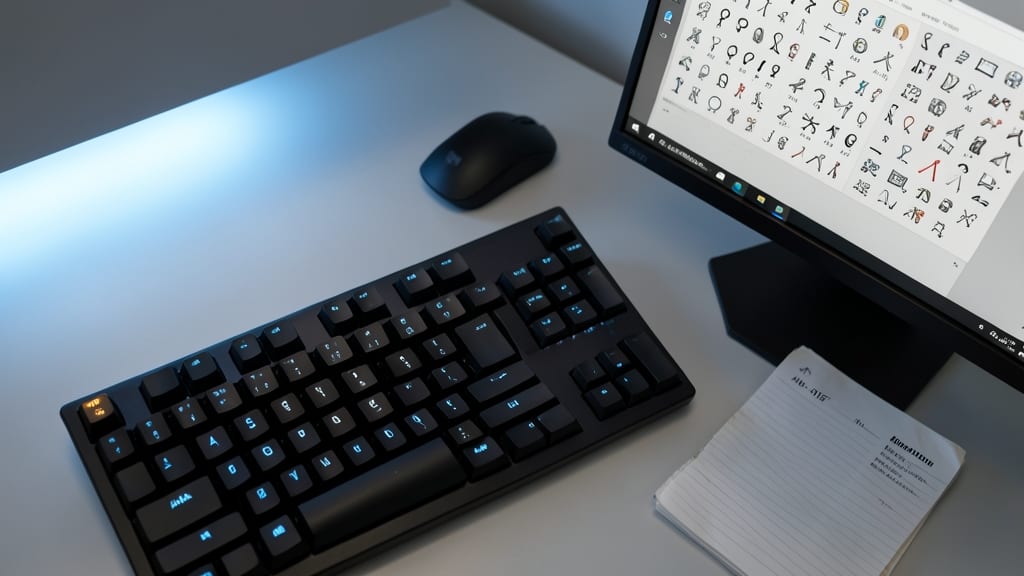
Tired of hunting for obscure symbols in character maps or switching keyboard layouts? Alt codes let you type any special character instantly—like § (Alt+0167) or ™ (Alt+0153)—by holding Alt and typing a numeric code on your numeric keypad.
This zero-config method works across Windows apps, documents, and even programming (e.g., µ (Alt+0181) for micro units). No extra fonts or plugins needed—just memorize a few codes, and you’ll save hours formatting legal docs, coding, or designing. Pro tip: Print a cheat sheet for currency symbols (€, £) and math operators (∑, ∞).
Perfect for writers, designers, and devs who need rare symbols without layout switches. No more copy-pasting from the web—just type it directly! ⚡
Anchor Symbol (#) for Hashtags

Struggling to organize your tweets, GitHub issues, or blog posts? The anchor symbol (#) isn’t just for hashtags—it’s a powerhouse for tagging, categorization, and discoverability in both social media and coding.
On platforms like Twitter/X, Instagram, and LinkedIn, hashtags boost visibility by grouping content under searchable topics. In Markdown (e.g., GitHub READMEs), # denotes headers (e.g., # Project Title), while in regex, it escapes special characters. Pro tip: Use camelCase (e.g., #TechTips) for cleaner, search-friendly tags.
Developers and content creators rely on # daily—whether labeling code snippets or trending discussions. Master its placement, and you’ll cut through the noise in digital conversations. ✨
Apple Command Key (⌘) for Mac Users

If you’ve ever felt like your Mac’s potential is stuck in slow motion, the Command (⌘) key is your secret productivity multiplier. Unlike Windows’ Ctrl key, this isn’t just a modifier—it’s the gateway to macOS’s most powerful shortcuts, from app switching to system-level controls.
Press ⌘+Space to summon Spotlight for instant searches, ⌘+Shift+4 to capture pixel-perfect screenshots, or ⌘+Tab to cycle through open apps without lifting your fingers. Even better? These shortcuts work across macOS, iPadOS, and iOS—meaning your muscle memory transfers seamlessly. The key’s design (that rainbow Apple logo) isn’t just aesthetic; it’s a reminder of how deeply integrated these functions are into Apple’s ecosystem.
Perfect for creatives, developers, and busy professionals, this key turns repetitive tasks into one-handed operations. Try ⌘+Z for undo, ⌘+F for find, or ⌘+⇧+V to paste without formatting—your workflow will thank you. ⚡