
Troubleshooting
Your social media posts might seem harmless, but oversharing can expose you to serious risks—from identity theft to workplace repercussions. These 10 dangers highlight why privacy settings and discretion are more critical than ever in the digital age.
Identity Theft Through Personal Details
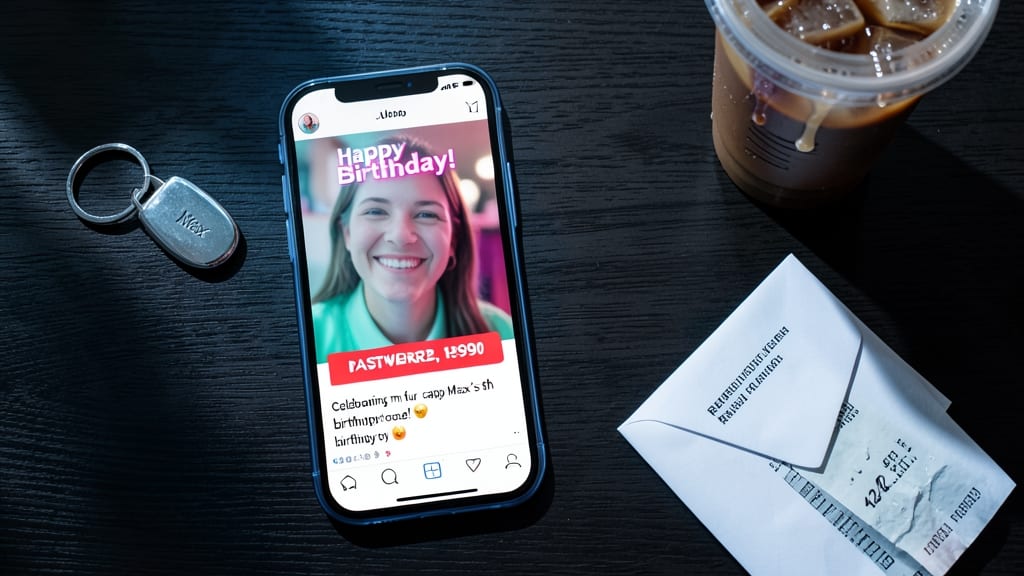
That "innocent" birthday post or pet’s name might seem harmless, but hackers use these details like keys to unlock your identity. A single overshared birthday, address, or pet name can give scammers enough to reset passwords, open credit accounts, or file fraudulent tax returns—all in your name.
Identity thieves exploit publicly available info to bypass security questions, like "What was your first pet’s name?" or "Where did you grow up?" Once they have these, they can impersonate you for loans, medical services, or even government benefits. The FTC reports that 1 in 3 Americans has experienced identity theft, with social media oversharing as a top entry point.
If you’ve ever posted your child’s name, anniversary date, or home address, you’ve given scammers a roadmap. Even "fun" quizzes like "Where should I travel next?" can reveal your location. Pro tip: Use strong, non-personal security answers and audit your posts regularly. ✨
Job Loss from Inappropriate Posts
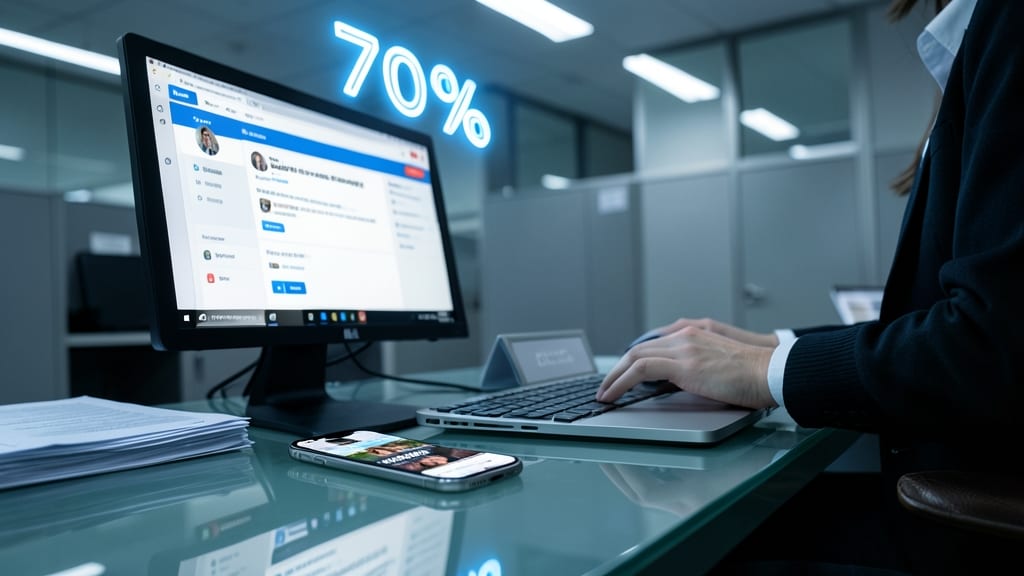
Your next job interview might hinge on what recruiters find online—70% of employers now screen candidates’ social media before hiring or promoting. A single inflammatory post, political rant, or unprofessional photo can derail your career faster than a bad reference.
Platforms like LinkedIn (the #1 target for HR checks) and even Facebook are scrutinized for red flags: discriminatory language, alcohol-related posts, or conflicts with company values. A 2023 CareerBuilder survey found that 57% of employers have rejected candidates over social media content, while 39% passed on promotions for existing employees due to online behavior.
If you’re job hunting or aiming for leadership roles, audit your profiles using tools like SocialMention or Google Alerts to catch overshared content. One pro tip: Set posts to "Friends Only" by default—even on LinkedIn—unless you’re actively networking. 💻
Stalking and Harassment Risks
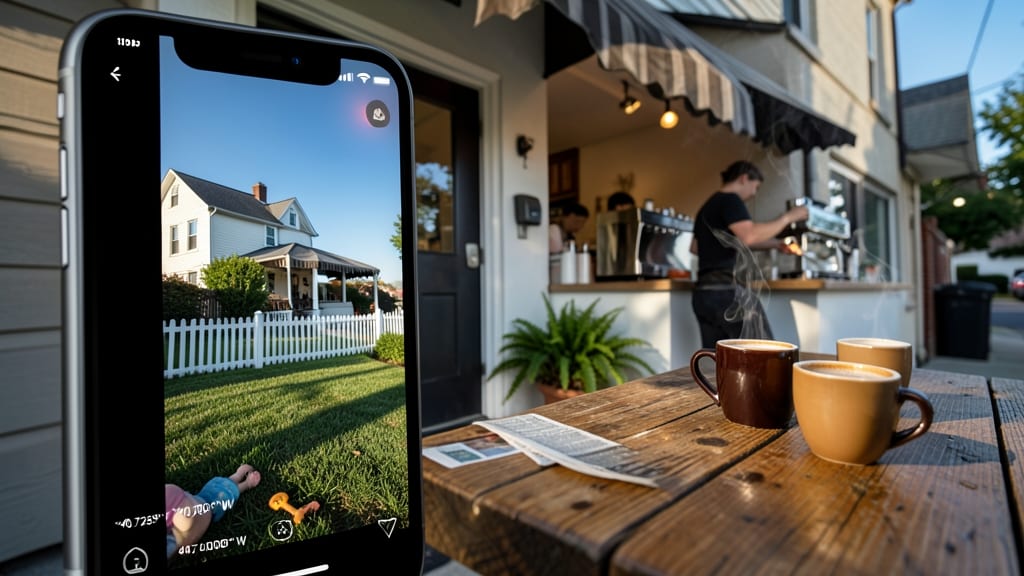
Ever posted a photo from your favorite coffee shop or a selfie in front of your home? That tiny geotag—often hidden in plain sight—could be a digital breadcrumb trail for stalkers or predators. Apps like Instagram, Snapchat, and even Facebook default to sharing your location unless you manually disable it, turning your daily routine into a real-time tracking tool.
Most platforms enable location services by default, meaning every check-in, story, or tagged photo becomes a timestamped landmark for someone with malicious intent. Even seemingly harmless posts—like "Heading to the gym at 7 AM" or "Just got home from work"—can reveal patterns that predators exploit. Tools like Google Maps’ "Timelapse" feature can reconstruct your entire routine from public posts, turning your social media into a surveillance goldmine.
This risk isn’t just theoretical: 47% of stalking cases start online, per a 2023 Pew Research study. If you’re a public figure, activist, or even just someone who values privacy, disable geotagging in app settings and avoid posting real-time updates. A quick toggle can mean the difference between safety and vulnerability. ✨
Financial Scams via Oversharing

That "I just closed a million-dollar deal!" post might feel like a flex, but it’s actually a scammer’s dream. Criminals use public updates about wealth, vacations, or high-value purchases to craft hyper-targeted scams—think fake investment opportunities, luxury scams, or even direct extortion threats.
Platforms like Facebook, Instagram, and LinkedIn are prime hunting grounds, where oversharing about new cars, vacations, or financial milestones can trigger waves of fake friend requests, phishing links, or even impersonation scams. One real-life case involved a victim who posted about a $50K watch purchase—scammers later contacted their contacts claiming to be "security experts" offering to "recover" the stolen item for a fee. 💻
Small business owners and high-profile professionals are especially vulnerable, but anyone flaunting wealth online risks becoming a target. Before hitting "post," ask: Would a scammer find this useful? If the answer is yes, hit delete instead. ✨
Emotional Blackmail from Ex-Partners
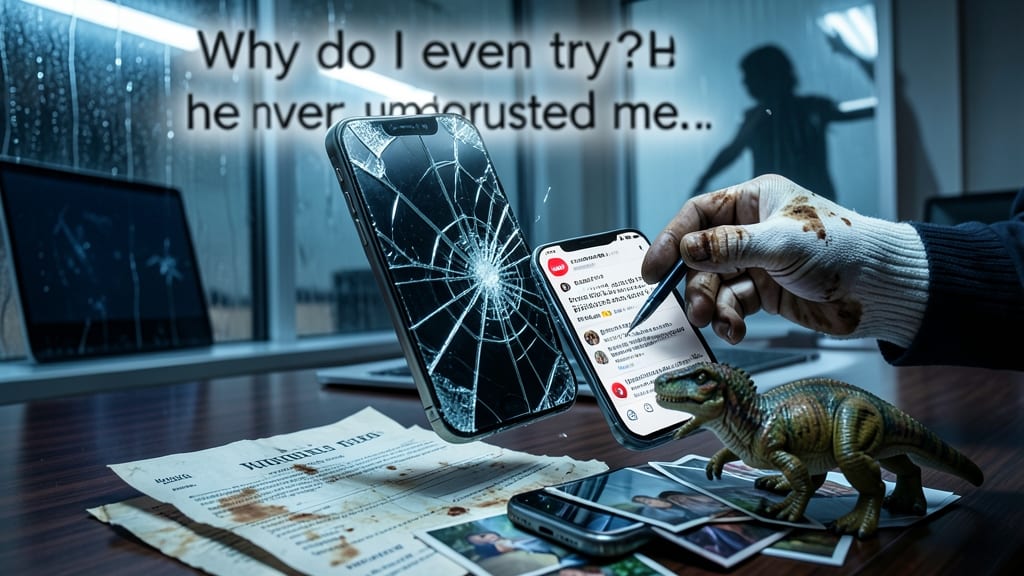
After a breakup, posting about your emotional state or relationship drama might feel cathartic—but it can also be weaponized against you. Ex-partners with access to your accounts (or screenshots) can use these posts in custody battles, alimony negotiations, or even as leverage for manipulation, turning your social media into a digital courtroom exhibit.
Platforms like Facebook and Instagram lack built-in tools to delete posts permanently, leaving them vulnerable to screenshots or third-party archiving. A single venting post about legal fees or financial struggles could be twisted to paint you as unstable or irresponsible. Even seemingly harmless updates—like "single again!"—can be repurposed in divorce filings to argue for unfavorable terms.
If you’re navigating a separation, freeze your privacy settings and avoid posting about personal conflicts. Tools like JustDeleteMe can help scrub old content, but prevention is key—think twice before hitting "share." 💡
Phishing Attacks from Shared Links
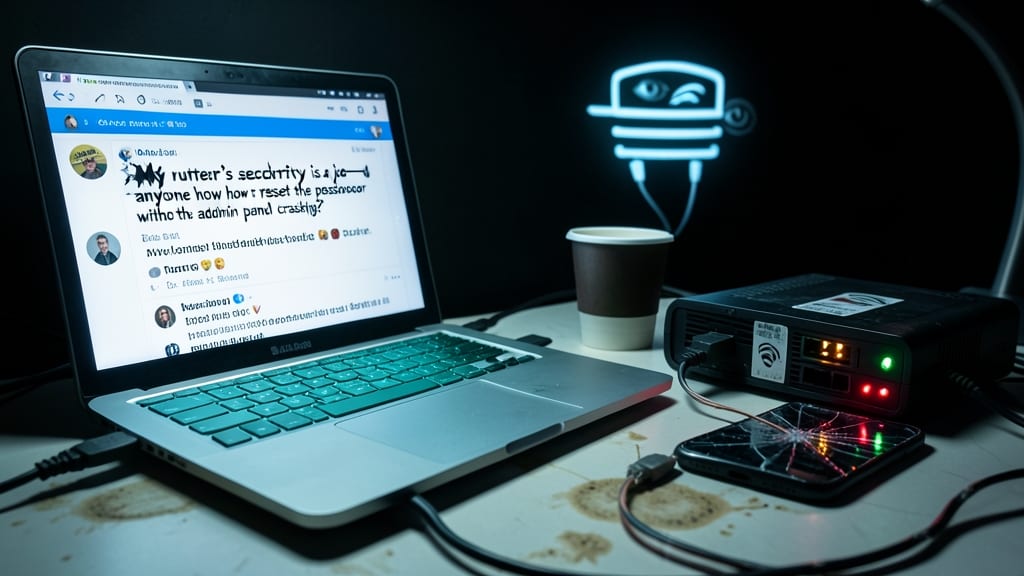
That venting post about your router’s security flaws or the "quick tip" for resetting your Wi-Fi password might seem harmless—but it’s a hacker’s treasure map. Cybercriminals monitor public forums and social media for unsecured credentials or tech frustrations, then craft phishing emails tailored to your exact pain points.
For example, sharing your Wi-Fi password in a public group chat could lead to a fake "tech support" DM promising to fix your connection—only to install malware. Even rants about password managers failing or "my bank’s app is broken" can trigger scams mimicking those services. Hackers use these details to build trust before striking.
Tech enthusiasts and remote workers are especially vulnerable—oversharing network setups or app struggles makes you a prime target. Always verify links before clicking, and avoid posting sensitive details, even in "safe" groups. 💻
Insurance Fraud and Claim Denials
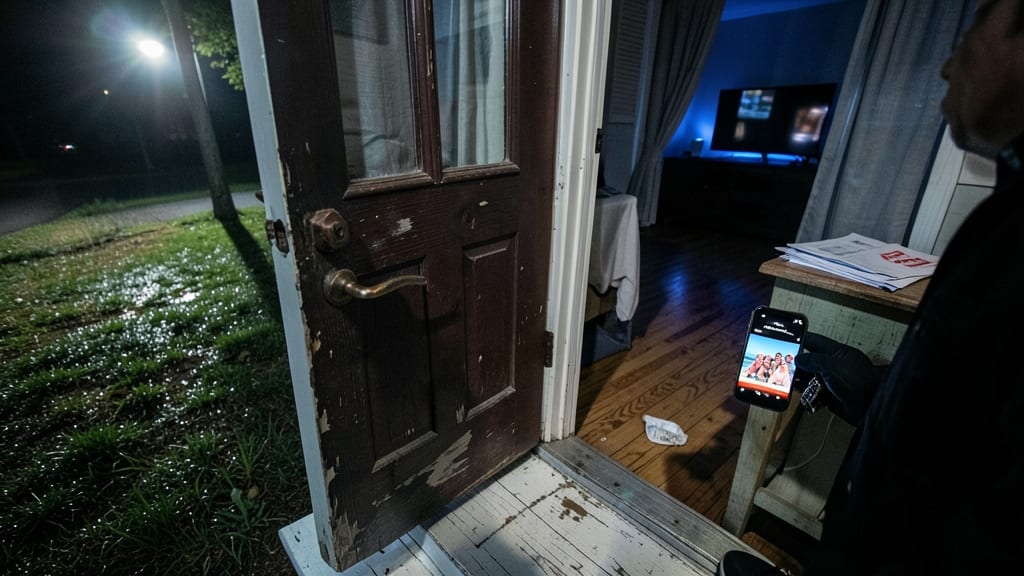
Your "Going on vacation!" post isn’t just a vacation announcement—it’s an open invitation for burglars. Insurance companies now monitor social media for real-time location updates and may deny claims if they suspect negligence, like leaving your home unoccupied.
Many policies explicitly state that sharing vacation plans or security lapses (e.g., disabling alarms) can void coverage. Criminals use this data to target unguarded homes, while insurers flag posts as red flags in fraud investigations. Even geotagged photos at your destination can raise eyebrows during claim reviews.
Homeowners and renters should disable location services for posts and avoid oversharing travel details. A quick privacy audit—especially before trips—can save you from denied claims or worse. 🌟
Social Engineering by Strangers
That cute photo of your golden retriever or your kid’s latest school project might seem harmless—but scammers use these details to build trust with your elderly relatives or vulnerable friends. A stranger claiming to be a "lost pet owner" or a "concerned neighbor" can exploit even small details to manipulate trusted contacts into revealing sensitive info.
For example, posting about your mother’s birthday or your child’s favorite teacher gives scammers the perfect script to impersonate you. They’ll call your mom pretending to be you, asking for money or personal details—because they already know your pet’s name or your favorite childhood book. Even seemingly innocent updates about daily routines (like "Heading to the gym at 6 AM") can tip off criminals lurking online.
Parents, grandparents, and pet owners are especially at risk—scammers target these groups because their trusted contacts are more likely to comply. Always ask: Could this post help a scammer trick someone I care about? 💡
Blackmail and Sextortion Threats
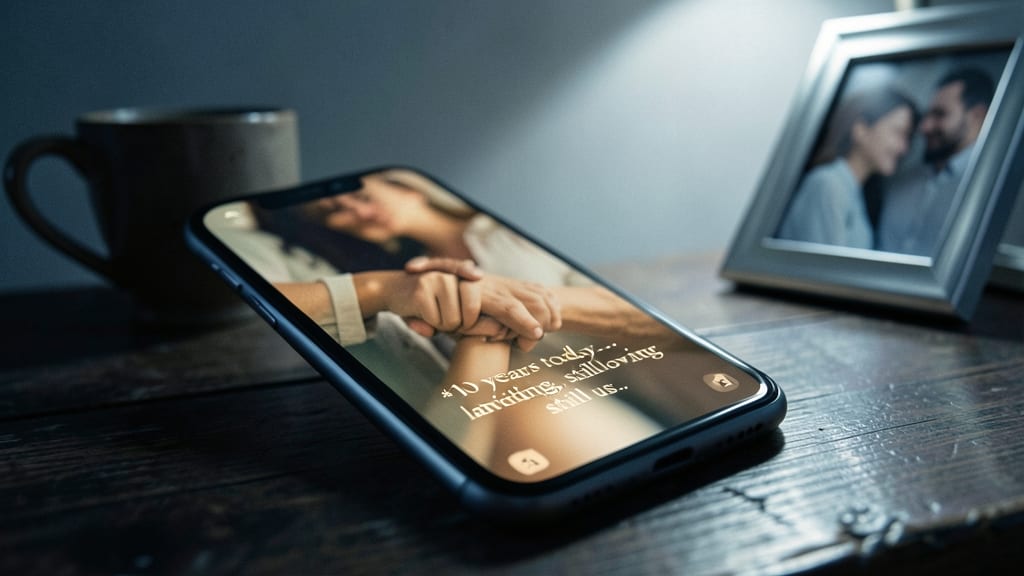
That heartfelt post about your relationship’s anniversary or even a casual rant about a breakup might seem harmless—but predators use this content to weaponize your emotions. A single overshared moment can become leverage for sextortion scams, where attackers demand payments or explicit material to avoid exposing private conversations or compromising photos.
Cybercriminals exploit publicly available details (like relationship status updates or personal stories) to craft convincing threats. Tools like reverse image searches or social media scraping make it easy to compile blackmail material from scattered posts. Even a seemingly innocent story about your daily routine could be twisted into a narrative that pressures you into compliance.
This risk isn’t just for celebrities—anyone with a public profile is vulnerable. If you’ve ever posted about relationships, travel, or personal milestones, take a moment to audit your privacy settings and limit audience visibility. 💡
Damaged Reputation from Viral Content
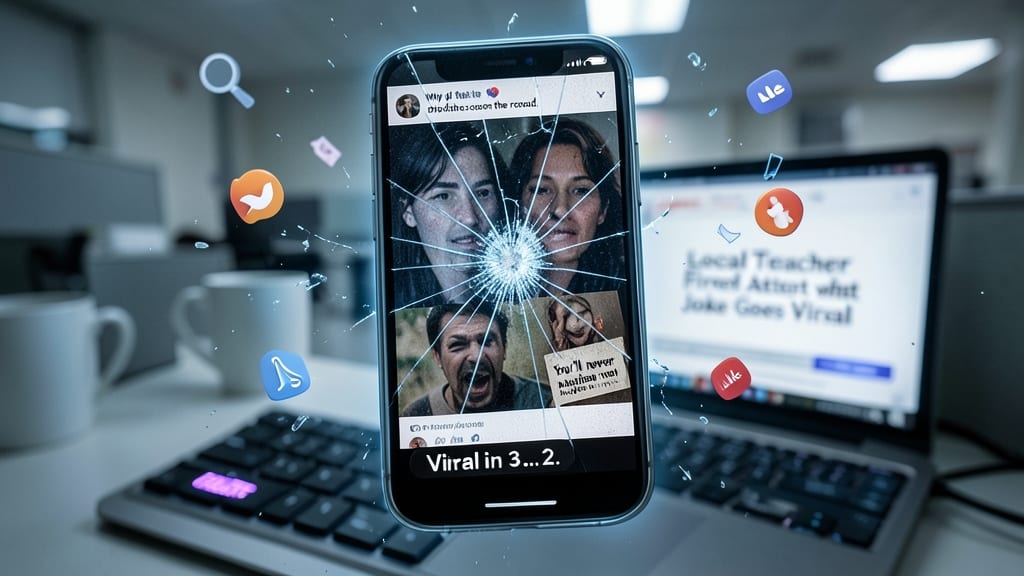
One misplaced tweet, a misunderstood meme, or even a lighthearted joke can spiral into a digital reputation crisis—especially when algorithms amplify it faster than you can hit "delete." Unlike other risks, this isn’t just about hackers or scammers; it’s about unintended consequences that follow you long after the post disappears.
Platforms like Twitter (now X) and LinkedIn prioritize engagement, meaning a single controversial post can rack up millions of views in hours. For professionals, this can derail job opportunities—studies show 70% of recruiters screen candidates’ social media, and a viral gaffe can overshadow qualifications. Even personal accounts aren’t safe: brand deals, freelance gigs, or community trust can vanish overnight if your content clashes with audience expectations.
Freelancers, entrepreneurs, and public figures face the highest stakes, but anyone can become collateral damage. The fix? Pause before posting, audit old content regularly, and use platform-specific privacy tools (like LinkedIn’s "Profile Visibility" or Twitter’s "Audience" settings). A second of hesitation could save years of damage. ✨